LHRC Commemorates International Women’s Day by Training Health Workers on Survivor-Centered Care for GBV Survivors
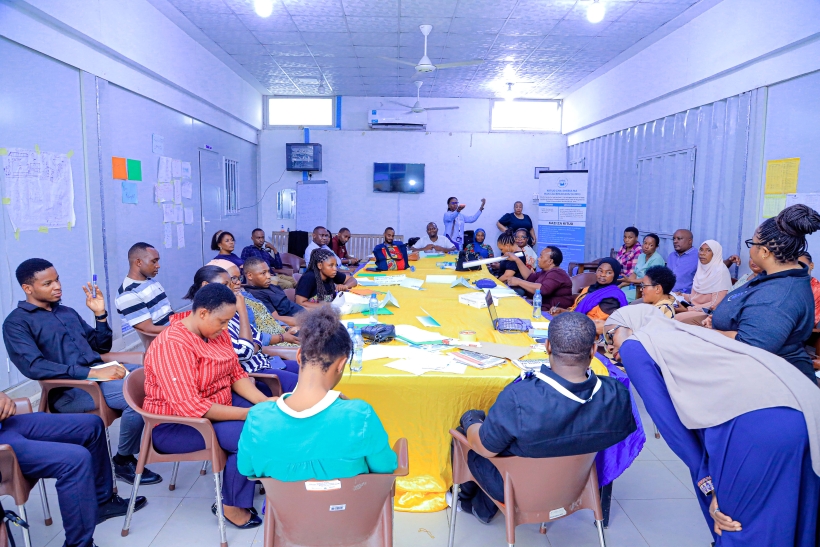
On 5 March 2026, Legal and Human Rights Centre (LHRC) commemorated International Women’s Day with a unique initiative to strengthen services for survivors of gender-based violence (GBV). The event was held at Mwananyamala Regional Referral Hospital in Dar es Salaam as part of activities leading up to the global celebration of International Women’s Day, which is annually marked on March 8.
As part of the commemoration, LHRC conducted a capacity-building training session for health workers on the Survivor-Centered Approach, a model that ensures survivors of gender-based violence receive comprehensive support in a coordinated and timely manner. The approach enables survivors to access medical services, police support, and legal assistance at the same time and in the same location, helping to improve access to justice and protection.
The training brought together health service providers from Temeke and Mwananyamala hospitals, including doctors, nurses, social welfare officers, and police officers. These professionals play a critical role in providing frontline services to survivors of gender-based violence who seek support at One Stop Centers, facilities designed to provide integrated services for survivors.
Through the training, participants were equipped with practical knowledge and skills on how to provide survivor-centered health services while upholding human rights principles and gender equality standards. The training also emphasized the importance of ensuring that survivors, including women and pregnant mothers, receive dignified, respectful, and rights-based care throughout the service process.
Speaking during the workshop, the Executive Director of LHRC, Dr. Anna Henga, highlighted that Dar es Salaam continues to record the highest number of gender-based violence cases in Tanzania, largely due to its large population and the concentration of economic activities.
“According to available statistics, **seven out of ten women experience some form of gender-based violence. Out of every ten survivors, seven are women. This violence primarily affects women aged between 15 and 49 years and includes physical abuse, intimate partner violence, femicide, and economic violence, which has been increasing due to women’s limited economic power,” said Dr. Henga.
She further explained that findings from the Tanzania Human Rights Report 2024, published by LHRC, indicate that Dar es Salaam continues to lead in GBV cases compared to other regions.
“Dar es Salaam leads mainly because of its large population and the high level of economic activities and social interactions. Regions such as Tabora and Mara follow, but Dar es Salaam remains the most affected,” she added.
LHRC also emphasized the critical role played by One Stop Centers in protecting evidence and ensuring timely access to justice for survivors of gender-based violence.
“In the past, survivors were required to first obtain a PF3 form from the police before seeking medical attention at a hospital. This process often resulted in delays and loss of crucial evidence. With the One Stop Center model, survivors can receive all necessary services in one place, enabling faster justice and legal action against perpetrators,” Dr. Henga explained.
However, she noted that the effectiveness of these centers has recently declined due to the transfer of trained personnel, which has created capacity gaps in service delivery. The training organized by LHRC, therefore, aimed to strengthen the capacity of health workers currently providing services to survivors.
As part of the commemoration activities, LHRC also visited the maternity ward at Mwananyamala Regional Referral Hospital and provided support to new mothers by donating essential items. The donated items included maternity towels, diapers, baby napkins, and drinking water for mothers with special needs.
Through these activities, LHRC reaffirmed the importance of collaboration between the health sector, law enforcement institutions, and human rights stakeholders in addressing gender-based violence and ensuring survivors receive comprehensive support and justice.

