LHRC Meets with Stakeholders in Morogoro to Validate Civil Society Report for Tanzania’s Fourth UPR Cycle
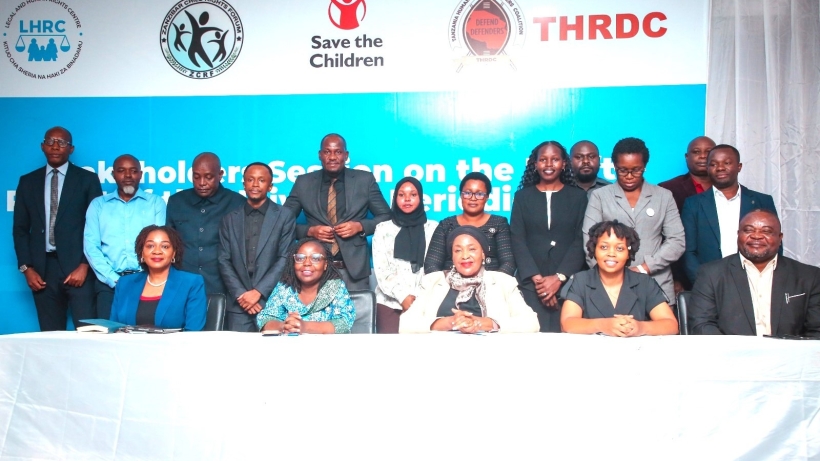
Morogoro, March 11, 2026, Legal and Human Rights Centre (LHRC), along with the Tanzania Human Rights Defenders Coalition (THRDC), Save the Children, and the Zanzibar Children’s Rights Forum (ZCRF), held a meeting in Morogoro to go over and approve the draft joint Civil Society Report for Tanzania’s Fourth Cycle of the Universal Periodic Review (UPR).
The meeting brought together representatives from civil society organisations, government institutions, human rights experts, development partners, and other stakeholders to review and refine the draft report before its submission to the international review process.
The event was officiated by Commissioner Neema Mwanga, Director from the Ministry of Constitution and Legal Affairs, representing the Minister for Constitution and Legal Affairs, Dr Juma Zuberi Homera.
Opening the meeting on behalf of the minister, Commissioner Mwanga emphasised that the Universal Periodic Review is an important global mechanism established under the United Nations Human Rights Council to assess the human rights situation in all UN Member States. She noted that Tanzania has actively participated in the UPR process since its inception in 2006 and is currently preparing for the fourth cycle, during which the country will present its progress in implementing recommendations previously accepted.
According to the Ministry, Tanzania received 252 recommendations from 92 countries during the third cycle, of which the government agreed to implement 187 recommendations aimed at strengthening the protection and promotion of human rights in the country.
In her welcoming remarks, Dr. Anna Henga, Executive Director of the Legal and Human Rights Centre (LHRC), highlighted the important role of civil society organizations in contributing to the UPR process through independent monitoring, documentation, and reporting on the human rights situation in the country.
Dr. Henga noted that the UPR process provides a valuable opportunity for Tanzania to reflect on progress made, identify existing challenges, and strengthen collaboration between government institutions and civil society actors in promoting and protecting human rights.
She emphasized that the stakeholder validation meeting in Morogoro was an important step in ensuring that the civil society report accurately reflects the realities on the ground and incorporates the views of diverse stakeholders from across the country.
Dr. Henga also reaffirmed LHRC’s commitment to continue working closely with government institutions, development partners, and civil society organizations to strengthen accountability, expand civic space, and improve access to justice for all.
The stakeholder meeting, therefore, provided a platform for civil society organizations to review their independent assessment of the progress made, identify existing gaps, and propose further recommendations to improve the human rights situation in Tanzania.
Speaking during the session, representatives from civil society organisations highlighted the importance of inclusive participation in the UPR process, noting that the mechanism creates a unique opportunity for dialogue between government and non-state actors to promote human rights.
In her remarks, Angela Kauleni, Country Director of Save the Children Tanzania, emphasized that the UPR process should also amplify the voices of children, who make up more than half of Tanzania’s population but often lack formal representation in decision-making processes.
She commended the government for progress made in advancing children’s rights, including the reported 26.5 percent reduction in violence against children, improvements in birth registration systems, and the 2022 guidelines that allow girls who become pregnant to return to school.
However, she also noted that several challenges remain, including shortages of social welfare officers, outdated legal provisions affecting children and girls, limited inclusive education opportunities for children with disabilities, and the persistence of child labour in hazardous sectors.
“The UPR is not merely an international reporting obligation; it is an opportunity for national self-reflection,” she said, adding that the process should strengthen collaboration between government and civil society in addressing human rights challenges.
Participants at the meeting also discussed key issues highlighted in the draft civil society report, including the need to strengthen civic spaces, improve access to justice, enhance protection for vulnerable groups, and ensure adequate resources for national human rights programs.
The Morogoro meeting forms part of Tanzania’s broader preparations for the submission of stakeholder reports to the United Nations Human Rights Council, which will review the country’s human rights record as part of the Fourth Cycle of the Universal Periodic Review.
Through such consultations, stakeholders aim to ensure that the report reflects diverse perspectives and provides constructive recommendations that will contribute to strengthening the protection and promotion of human rights in Tanzania.

