
Property Tax Collection through Utility Services: Legal and Policy Concerns on Tenant Financial Burden in Tanzania
Legal and Human Rights Centre (LHRC) is pleased to share analysis on the integration of property tax into LUKU payments and its implication to tenant protection and tax equity in Tanzania. This is a pure human rights matter especially on socio-economic rights.
Therefore, this piece intends to call for fair and equitable tax administration in Tanzania caused by shifting of property tax burden to tenants through the LUKU Payment system.
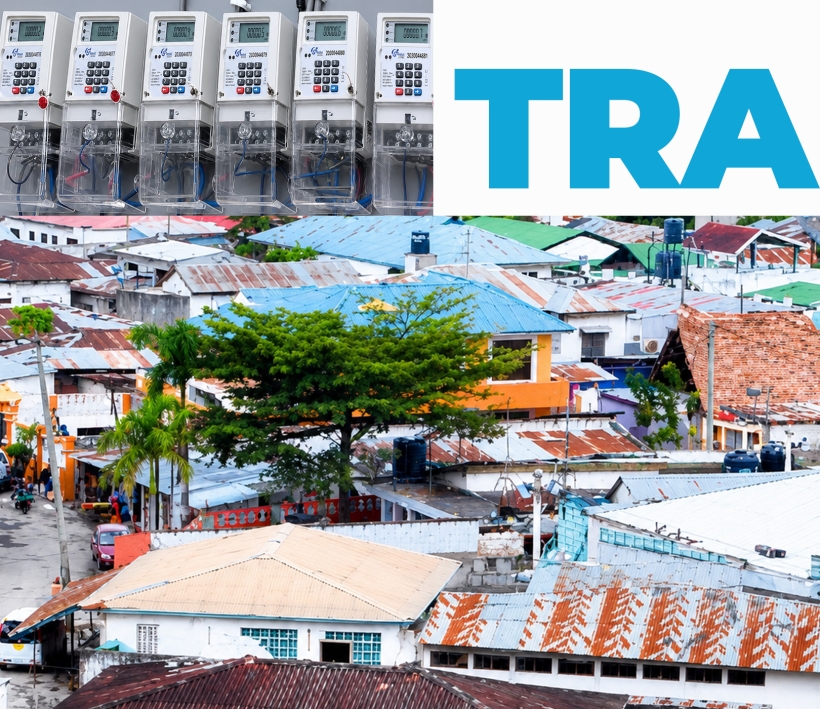
The central issue arises from the interaction between section 67(1)(d) of the Tax Administration Act, Cap. 438 R.E. 2023 and the administrative practice of collecting property rates through the LUKU electricity payment system. Legally, the provision establishes the timing and mechanism of collection by requiring payment of property rate at the time of purchasing electricity. However, in practice, because electricity is commonly purchased by occupants particularly tenants the operational effect is that persons who are not legally responsible for the property become the immediate payers of charges attached to that property.
Conceptually, there is an important distinction between tax liability and tax collection mechanism. Tax liability refers to who the law intends to bear the obligation to pay the tax . Collection mechanism refers to how government obtains payment . Under ordinary taxation principles, property related taxes are generally connected to ownership, possession, control, or economic benefit arising from the property.
Landlords derive rental income and retain ownership interests while tenants merely consume the use of premises. Therefore, while government may use electricity systems as a convenient collection channel, administrative convenience should not alter substantive legal responsibility.

